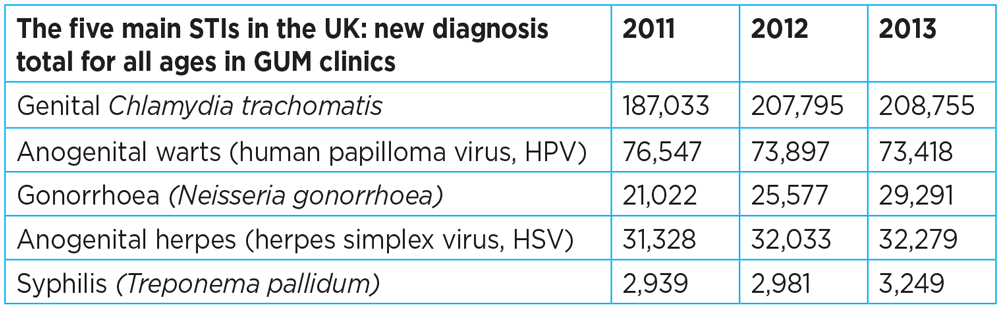
SEXUALLY TRANSMITTED INFECTIONSDiseases transmissible by unprotected sex. New diagnoses of STIs in genitourinary medicine (GUM) clinics have been increasing, with the highest rates in young people and in men who have sex with men (MSM). In recent years the trend has been for increases in most common STIs (see table below), so prevention efforts need to be sustained.
Sexually transmitted infections (STIs) annual data tables Public Health England 2014 https://www.gov.uk/government/statistics/sexually-transmitted-infections-stis-annual-data-tables Not everyone with an STI will have signs and symptoms of the condition. Symptoms or signs may be found incidentally, e.g. when carrying out cervical screening. Presenting symptoms may include increased discharge, pain or ulcers. Left undetected and untreated, STIs can later result in serious complications. Sexual historyA detailed sexual history is important and relevant for further management. The key elements are:
Contact tracing can be a sensitive issue; sexual partners of individuals found to have STIs should be screened and treated. Local responsibility for contact tracing should be determined. It is important that individuals know how they will be contacted with their results and by whom, or who they need to contact. CHLAMYDIA TRACHOMATISMost common bacterial STI in the UK. Perinatal transmission may result in neonatal conjunctivitis. Many cases remain undiagnosed. Women: 80% asymptomatic; may be cervicitis, mucopurulent discharge, cervical bleeding, postcoital or intermenstrual bleeding, lower abdominal pain, dysuria. Untreated infection can cause chronic pelvic pain and lead to pelvic inflammatory disease (PID), ectopic pregnancy and infertility. Men: 50% asymptomatic; may be urethral discharge and/or dysuria; testicular/epididymal pain; anal/rectal discomfort (proctitis). Complications are rarer but can include epididymitis (pain and swelling around the testicles) and Reiter's syndrome (arthritis). National Chlamydia Screening Programme (NCSP): a control and prevention programme targeted at the highest risk group for chlamydia infection in England, young people under 25 who are sexually active. One in 10 people under 25 years who have had a test are infected. National Chlamydia Screening Programme https://www.chlamydiascreening.nhs.uk SIGN 109 Management of genital Chlamydia trachomatis infection, 2009 https://www.sign.ac.uk/guidelines/fulltext/109/ EPIDIDYMITISInflammation of the epididymides (tubes that transport sperm from testicles to penis), usually caused by an STI; called epididymo-orchitis if the testicles become inflamed. SymptomsUnilateral or bilateral testicular swelling (orchitis), painful ejaculation, general abdominal/pelvic pain, testicular pain, frequency and urgency. Can become chronic if not treated GonorrhoeaUsually sexually transmitted in adults. Perinatal transmission results in eye infection, which is a notifiable condition. In older children, suspect sexual abuse. Symptoms Men: generally uretheral infection within 10 days. Usually mucoid purulent discharge or dysuria, but up to 10% asymptomatic. Rectal infection usually asymptomatic but can cause rectal/anal pain/discharge. Women: possible cervical infection, low abdominal infection, pelvic pain, often asymptomatic. Mucoid purulent vaginal discharge in 50%. Both sexes: pharyngeal infection with exudates (usually asymptomatic). Human Immunodeficiency Virus (HIV) & AIDSHIV is a retrovirus that infects T helper lymphocytes, cells that co-ordinate the actions of other immune system cells and carry the CD4 receptor. Over time the patient’s CD4 count declines, susceptibility to infections increases, symptoms develop, and become more severe until a diagnosis of AIDS (acquired immune deficiency syndrome) is made when CD4 count is 3. HIV transmission is many sexual (60-70%); also by intravenous drug use, infected blood products, mother to child (vertical transmission), and accidental exposure, e.g. needlestick injury. According to the most recent figures from Public Health England, in 2012 an estimated 98,400 people were living with HIV. The development of successful anteretroviral therapy (ART) means people with HIV, who are diagnosed early and motivated to take their therapy, can expect a near normal life expectancy. Practice Nurse featured article Living with HIV: the role of the practice nurse Marie Therese Massey Human immunodeficiency Virus Patient.co.uk Professional reference https://www.patient.co.uk/doctor/human-immunodeficiency-virus-hiv |
|